Summer SEL activities are one of the most powerful (and often overlooked) ways to support kids’ emotional growth during the break. While academics may pause, big feelings, social challenges, and real-life learning shouldn’t.
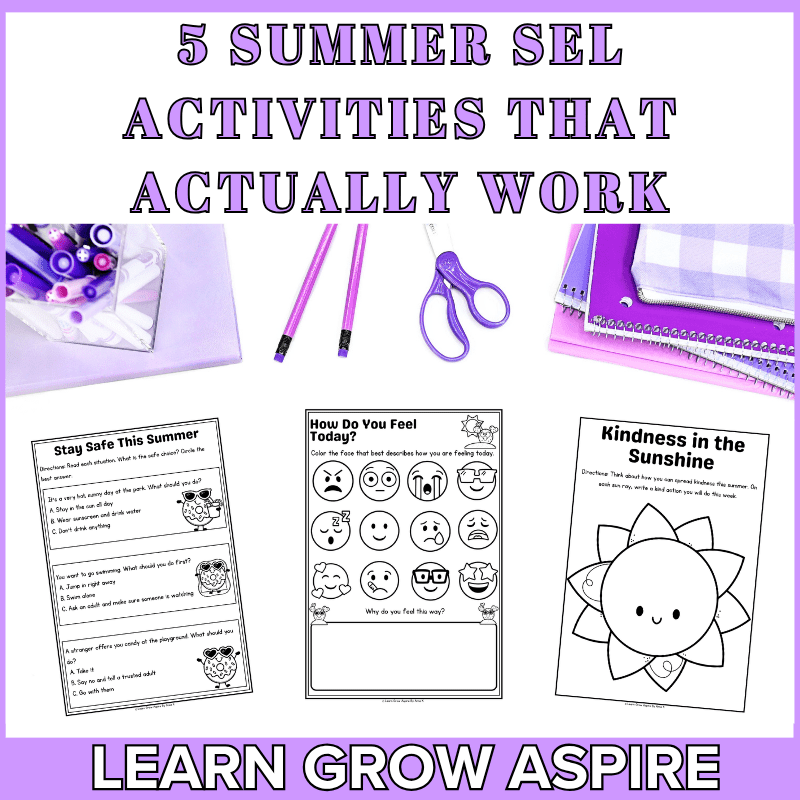
So, if you’re a parent or teacher hunting for ways on how you can keep your kids or students learning this summer (without worksheets that feel like school) you’re in the right place.
Here’s Why SEL Matters Even More in Summer
You see, during the school year, kids have structure, routines, and built-in social interaction. Agree?
However, summer changes everything (even for kids that are homeschool)!
You may find kids:
- wanting to send more time at home in their rooms
- experience boredom or frustration which leads to playing games on binge watching YouTube.
- struggle with transitions or lack of routine
- have more sibling conflicts or social challenges
And, my friend, this is exactly why I believe social-emotional learning (SEL) becomes even more important.
SEL helps kids:
- Understand and express their emotions
- Build confidence and independence
- Navigate friendships and conflicts
- Develop empathy and self-awareness
And the best part? It doesn’t have to feel like “teaching.”
5 Simple Summer SEL Activities (No Prep Needed)
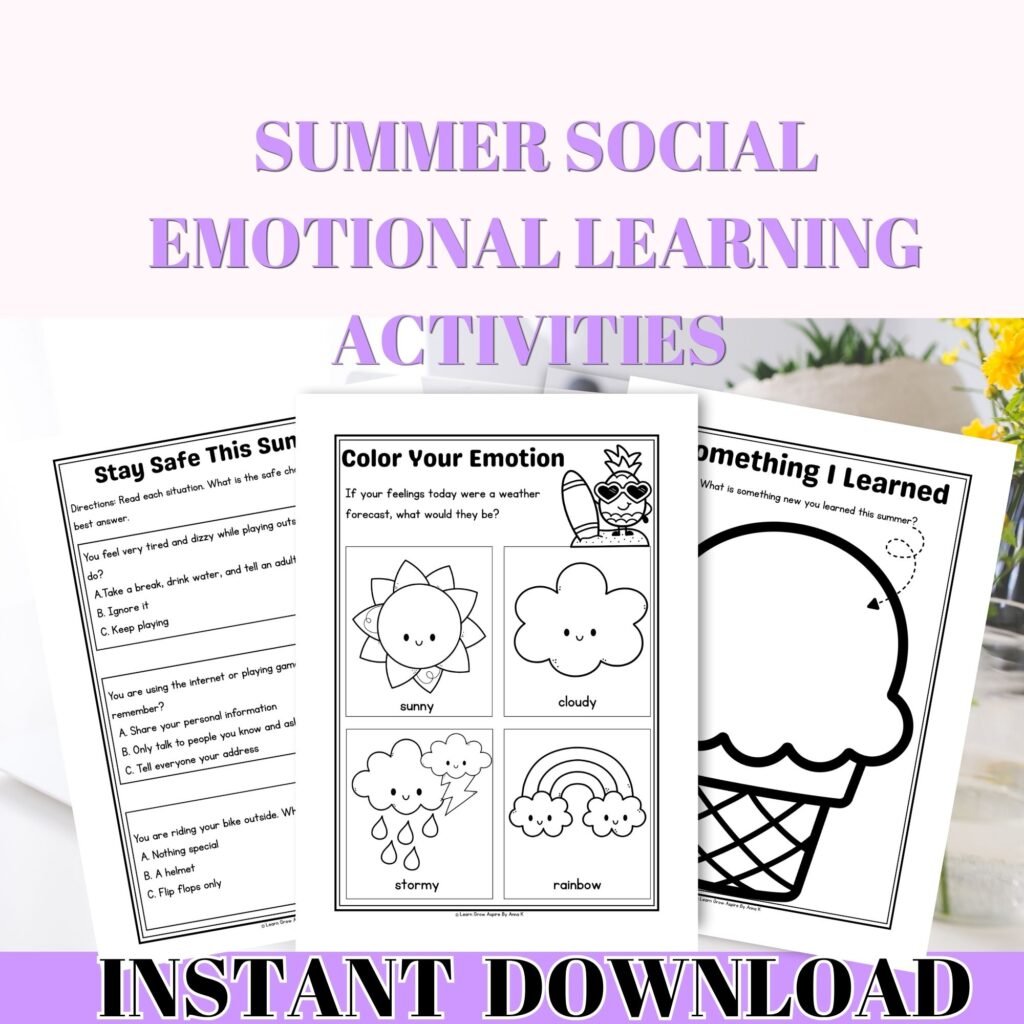
These 5 simple, yet effective strategies will make a huge difference over the summer. Trust me!
1. Daily “Feelings Check-In”
One of the simplest (yet most powerful) summer SEL activities is a quick daily check-in. This practice helps to create a safe space for kids to open up and reflect on their emotions.
Try asking questions like:
- “What made you happy today?”
- “Was anything frustrating or challenging?”
- “How did you handle it?”
- “Is there something you wish went differently?”
These small conversations can help kids:
- Build emotional awareness
- Recognize and name their feelings
- Reflect on their choices and reactions
Over time, this habit will teache children that their emotions matter, and that they can talk about them without fear or judgment.
Suggested Tip: If your child struggles to answer open-ended questions, you can use structured prompts like Think It or Say It activities. These give kids real-life scenarios and help them practice what to say (and what to keep as a thought), making emotional learning more concrete and easier to understand.
Even just 5 minutes a day can make a lasting impact.
2. “Pause & Think” Moments
Summer is full of real-life situations—sibling arguments ( perhaps a bit tooo much), playground conflicts, moments of frustration. Here’s the great news! These are actually quite the perfect opportunities to teach social-emotional skills in the moment. ( You may not feel like, and perhaps will forget, but it’s the perfect opportunity.)
So, I found that Instead of jumping in to correct or discipline my kiddos right away, turning these situations into “Pause & Think” moments can work wonders. ( By no means, I’m perfect – sometimes, I forget to do this as well.)
When something happens, gently guide your child with questions like:
- “What were you thinking when that happened?”
- “How do you think the other person felt?”
- “What could you do differently next time?”
- “What’s a better choice you could make right now?”
This approach shifts the focus from punishment to learning and help kids to:
- slow down before reacting
- understand the impact of their actions
- build problem-solving skills
- develop empathy for others
Over time, kids will begin to internalize this process, meaning they start pausing and thinking on their own, which is the ultimate goal.
Make it easier: I find that some kids struggle to come up with appropriate responses in the moment. And, that’s where structured practice can help. Again, activities like Think It or Say It can give kids relatable, real-life scenarios and guide them in deciding what’s appropriate to say out loud versus what should stay a thought. This builds self-control and social awareness in a clear, concrete way.
The more kids practice these moments with support, the more confident and independent they become in handling challenges on their own.
3. Gratitude Practice
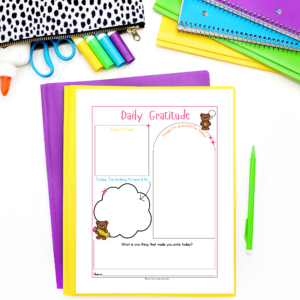
Grab This Free Printable Daily Gratitude Planner Page Below!
Gratitude might seem simple, but it’s one of the most powerful (yet overlooked) ways to support a child’s emotional well-being. Especially during the unstructured summer months.
When kids focus on what’s going wrong (“I’m bored,” “That’s not fair”), it can quickly lead to frustration and negative thinking. They see the glass as being half empty rather than half full.
Gratitude can gently shifts that mindset toward noticing what’s going right.
You can build this habit into your day with a simple routine:
- At dinner you can ask your child – : “What’s one thing you enjoyed today?”
- Then before bed – : “What made you smile today?”
- And, when you are on the go -: “ Hey, what’s something you’re thankful for right now?”
These small moments can and will help kids to:
- Develop a more positive outlook
- Build emotional resilience
- Become more mindful and present
- Appreciate everyday experiences
Pairing gratitude with structured SEL activities—like scenario-based discussions or reflection prompts—can help kids better understand their emotions while also learning how to reframe their thinking.
Over time, gratitude becomes more than just a habit. It becomes a mindset that helps kids navigate challenges with confidence and perspective.
Gratitude Printable Planner Page (2454 downloads )
4. Role-Playing Social Situations
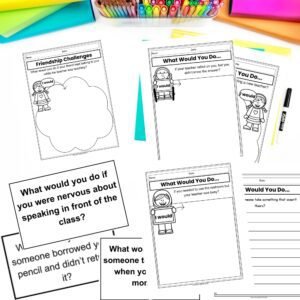
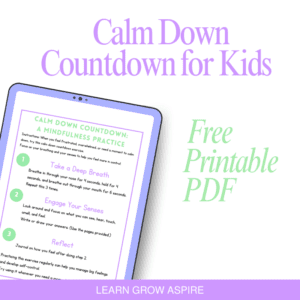
Grab These FREE CALM DOWN PDF!
Big emotions don’t take a summer break and for many kids, unstructured time can actually make those feelings feel even bigger.
That’s why having a calm-down toolbox is such an important part of social-emotional learning.
A calm-down toolbox is simply a set of strategies kids can use when they feel overwhelmed, frustrated, or upset. The goal isn’t to avoid emotions, but instead to help kids learn how to manage them in a healthy way.
You can start by teaching a few simple techniques:
- Take deep, slow breaths
- Count to 10 before reacting
- Take a break or step away
- Use words to express feelings (“I feel frustrated because…”)
- Squeeze a stress ball or hold a calming object
These tools help kids:
- Regulate their emotions instead of reacting impulsively
- Feel more in control of their bodies and reactions
- Build confidence in handling difficult situations
- Reduce meltdowns and conflicts over time
The Problem We Face As Parents & Teachers
Here’s the reality:
You want to teach these skills…
But you don’t always have the time, structure, or resources to do it consistently.
That’s where having something ready-to-go makes a huge difference.
A Done-For-You Option (If You Want It)
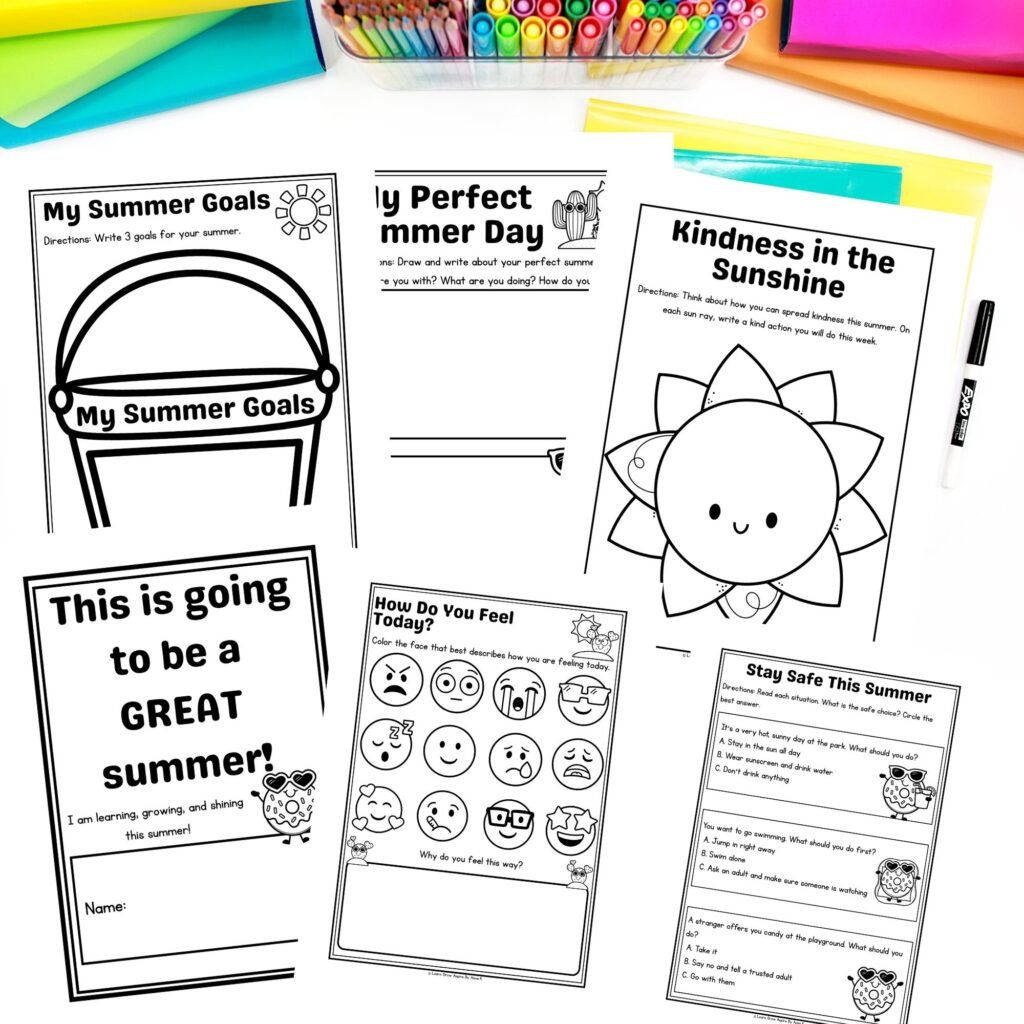
If you’re looking for something simple, engaging, and meaningful, I created a set of fun Summer SEL Activities resource designed specifically for kids.
It includes:
- Emotion-focused worksheets
- Real-life scenario activities
- Reflection and discussion prompts
- Fun, summer-themed SEL exercises
SHOP SUMMER SEL WORKSHEETS ON ETSY!
Summer SEL Activities That Build Confident Kids
The truth is you don’t need a perfect plan to support your kiddos’ or students’ emotional growth this summer.
What matters most is:
- creating space for conversations with your kids
- teaching them how to handle real emotions
- and showing them they’re heard and understood when they most needed assurance
Whether you choose to use simple daily conversations or structured activities, you will be helping your kids build skills that will last them far beyond summer.
Ok, Here’s A Quick Recap
- Summer is a key time for emotional development
- SEL helps kids build confidence, empathy, and resilience
- Simple daily habits can make a big impact
- Structured resources can save time and add consistency
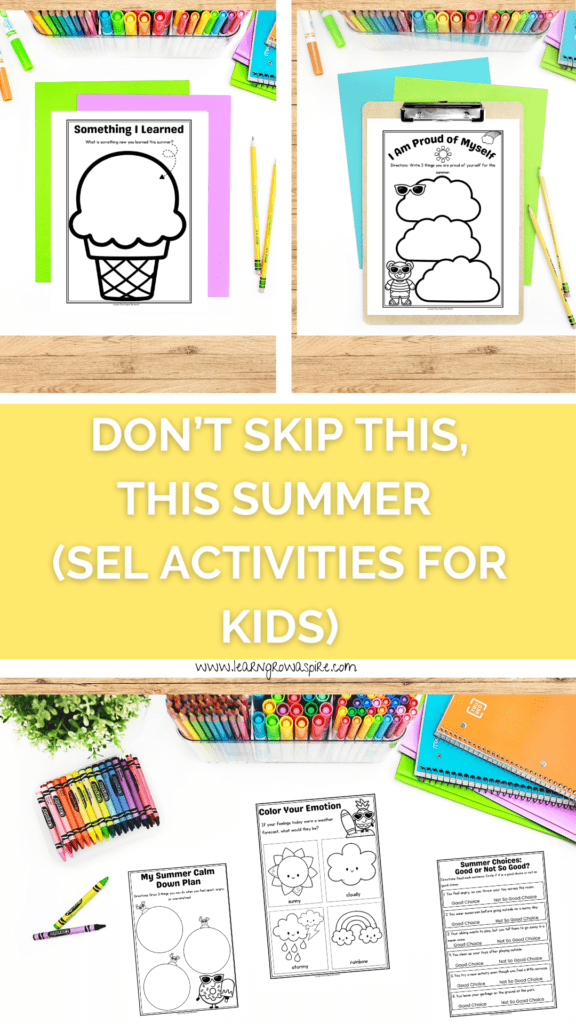
Pin Summer Activities That Build Confidence
Make sure to save these 5 simple ways to teach kids emotional skills this summer so that you can easily access them when needed. And while on Pinterest, please consider following me on the platform.
Some of the links in this post may be affiliate links. I’m also an Amazon Affiliate and will occasionally link to some of my favorite Amazon products. I will receive a small percentage back if you purchase through my link. You won’t be charged a penny more if you shop through my links. That said, I do NOT recommend anything I do not use and love! Thank you for helping support my blog!

Leave a Reply