If you’ve been searching for how to teach accountability in a way that actually works, you’re not alone. Many parents and teachers struggle with helping kids take responsibility for their actions without constant reminders, lectures, or power struggles. The truth is, accountability isn’t something children automatically understand. I firmly believe it’s a skill that must be modeled, practiced, and intentionally taught.
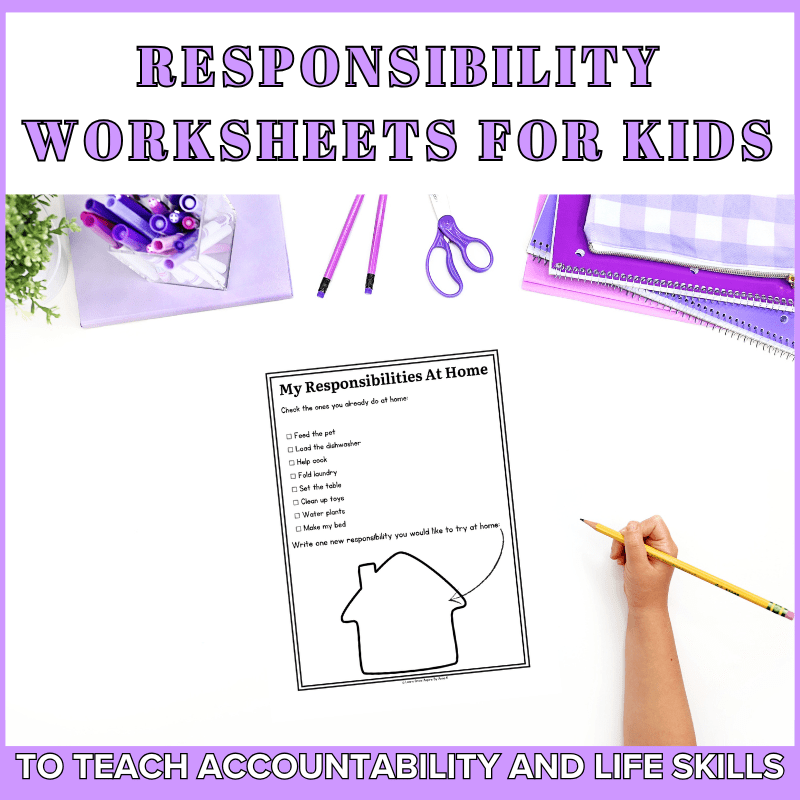
As a social-emotional learning (SEL) curriculum developer for students, I’ve seen firsthand that children in grades 3–5 are at the ideal age to begin developing real accountability. At this stage, they’re capable of reflection, understanding consequences, and recognizing how their choices affect others — but they still need structured guidance.
And when we teach it correctly, it transforms not only our kids’ behavior but strengthen their confidence, independence, and long-term character development.
So, What Is Accountability for Kids?
Very simply put, accountability is taking ownership of your actions, choices, and responsibilities. And I believe it’s one of the most critical life skills for kids.
For children, accountability means:
-
Admitting mistakes without blaming others
-
Understanding how choices lead to consequences
-
Making things right after a problem
-
Following through on commitments
-
Replacing excuses with ownership
Children who master accountability build trust with peers and adults and develop strong self-confidence.
Pro Tip: Pair teaching accountability with structured responsibility worksheets to make the learning process visual, reflective, and engaging.
Why Grades 3–5 Are the Perfect Age to Teach Responsibility
Upper elementary students are capable of higher-order thinking and beginning to understand social nuances. By grades 3–5, children:
-
Can reflect on personal behavior
-
Begin to understand fairness and justice
-
Care about peer relationships
-
Experience more academic expectations
-
Develop a stronger sense of self and identity
Teaching responsibility in upper elementary encourages independence and reduces the need for constant reminders.
Why “Just Telling Kids” Isn’t Enough
It’s just not enough for us as educators and parents to rely solely on reminders or consequences.
You know – those familiar questions –
-
“Why didn’t you do this?”
-
“You should know better.”
-
“That’s not acceptable.” (This used to be one of my favourites with my kiddos).
While these questions are necessary at times, they don’t really teach children how to think responsibly.
And at this stage, kids need:
-
Guided reflection opportunities
-
Clear examples of cause and effect
-
Structured ways to repair mistakes
-
Practice applying accountability in real scenarios
Without these tools, responsibility feels like punishment, not necessary growth.
Practical Accountability Activities That Actually Work
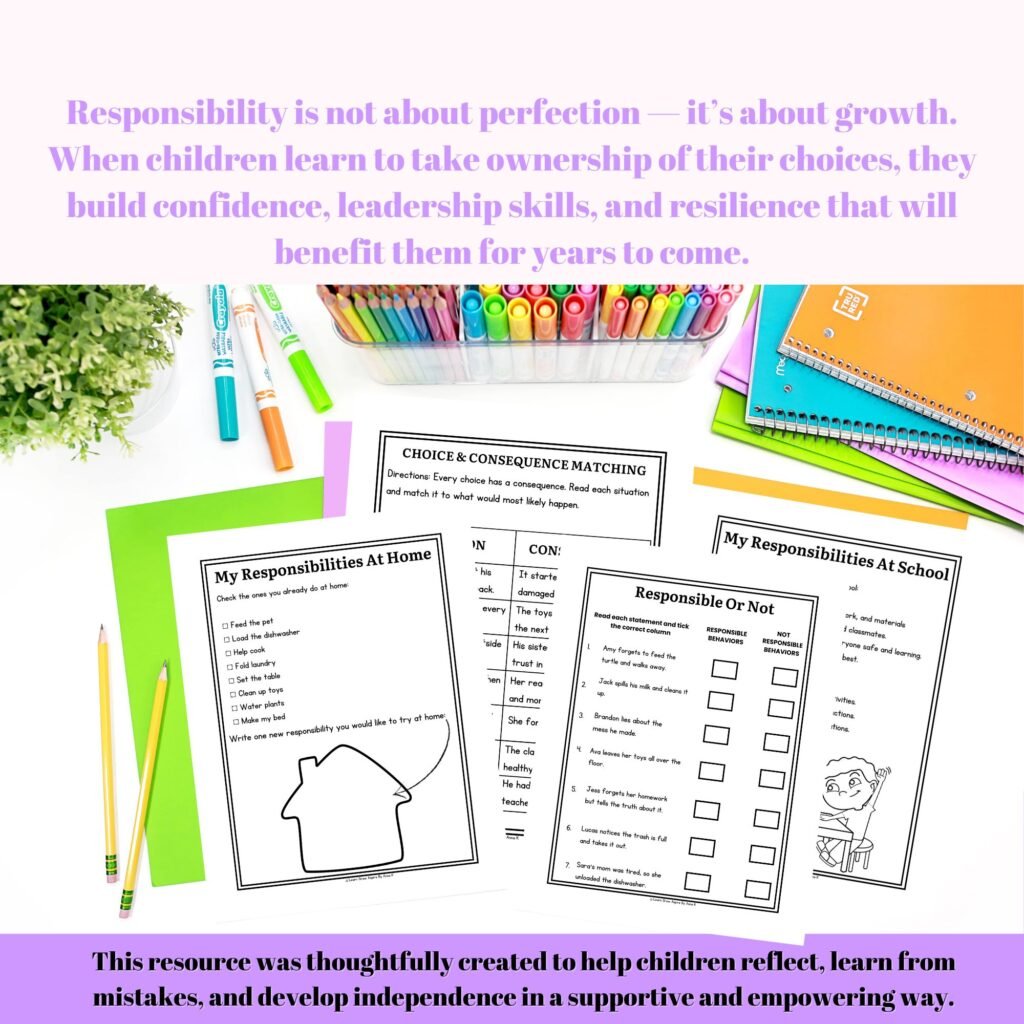
Now that we’ve gotten what doesn’t work out of the way. Let’s use the rest of this post to understand how to teach accountability so that it works.
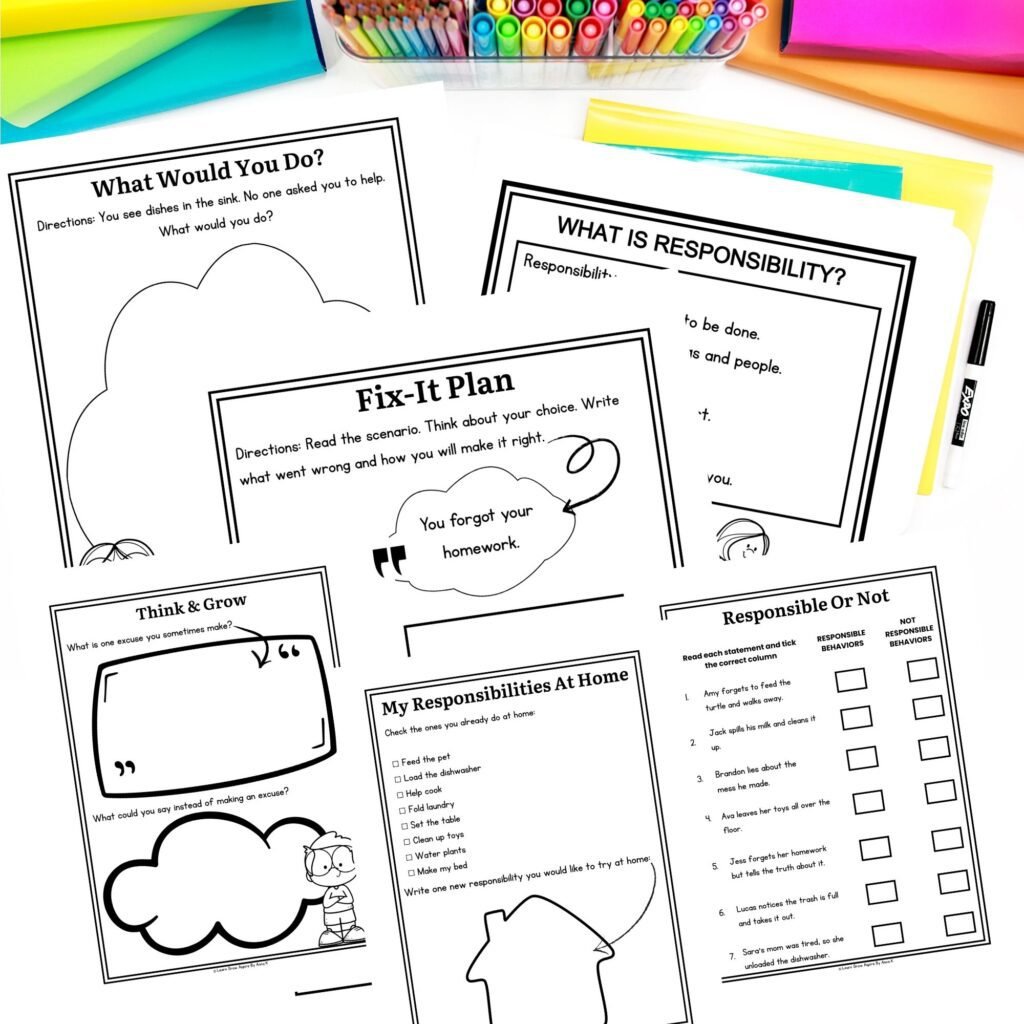
1. Reflection Writing Prompts
Encourage children to write about what happened, what they did, who was affected by their actions, and what they could do differently.
2. Choices and Consequences Activities
Matching scenarios with outcomes helps children understand cause and effect.
3. Responsibility vs. Excuses Exercises
Kids often use avoidance language like:
-
“It’s not my fault.”
-
“I forgot.”
-
“Someone else made me do it.”
Teaching them to replace these with ownership statements helps them take control and solve problems.
Examples:
-
“It’s not my fault.” → “I made a mistake, and I can fix it.”
-
“I forgot.” → “I forgot this time, but I can remember next time.”
-
“Someone else made me do it.” → “I chose to do it, and I can make it right.”
Quick Activity: Give students scenarios and have them rewrite the avoidance statements as ownership statements. It’s a simple way to practice accountability and build confidence.
4. Fix-It Plans
Guide children to repair mistakes instead of focusing on blame.
How Responsibility Worksheets Support SEL
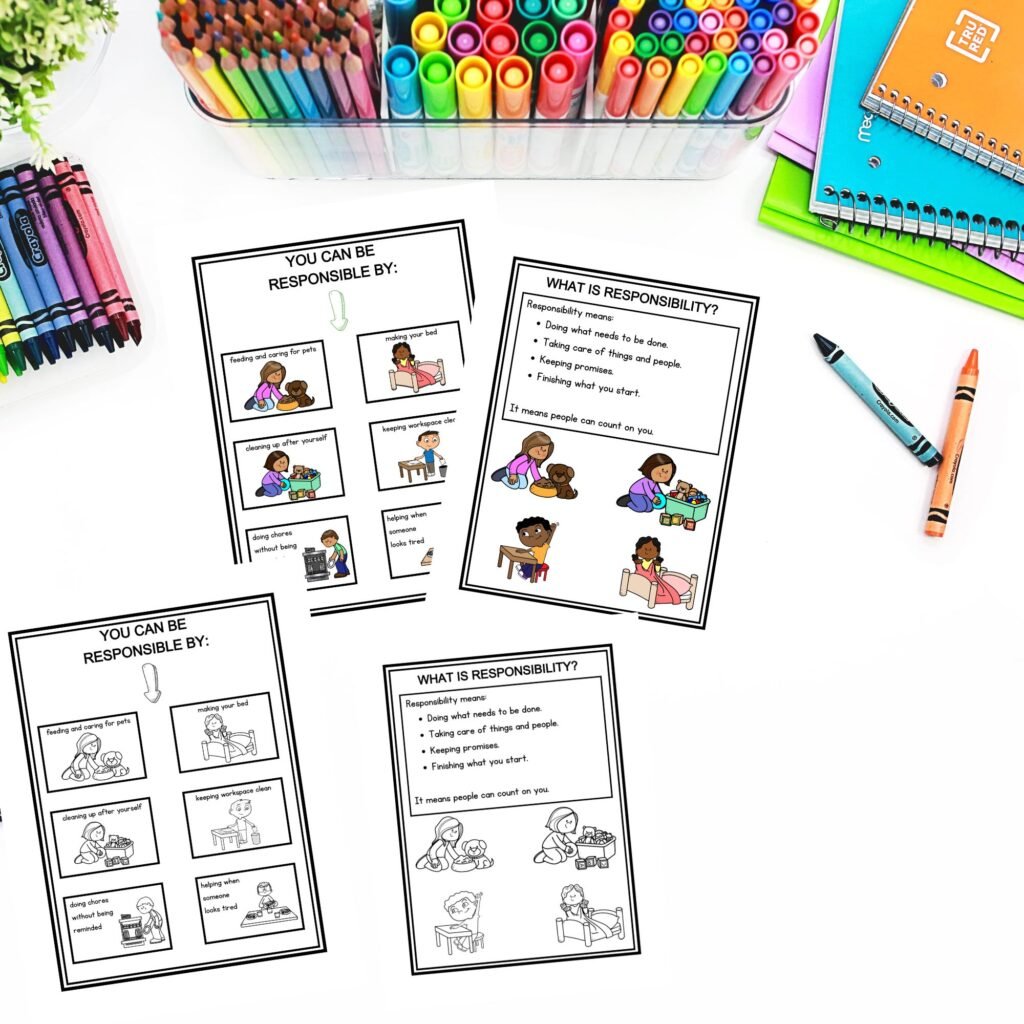
Well-designed worksheets are not just “busywork” — they are structured tools for reflection and skill-building.
They help children:
-
Practice self-management skills
-
Make responsible decisions
-
Reflect on emotions and behavior
-
Solve problems independently
-
Build strong character and life skills
When students practice ownership in low-pressure, structured worksheets, they are more likely to transfer those skills to real-life situations.
You can shop these responsibility worksheets on my Etsy store.
The Long-Term Impact of Teaching Accountability
Children who learn accountability early are more likely to:
-
Recover quickly from setbacks
-
Demonstrate leadership in group activities
-
Improve classroom behavior
-
Increase academic confidence
-
Take pride in doing the right thing
Most importantly, children learn that mistakes are opportunities to grow, not signs of failure.
Responsibility Worksheets for Kids (Grades 3–5)
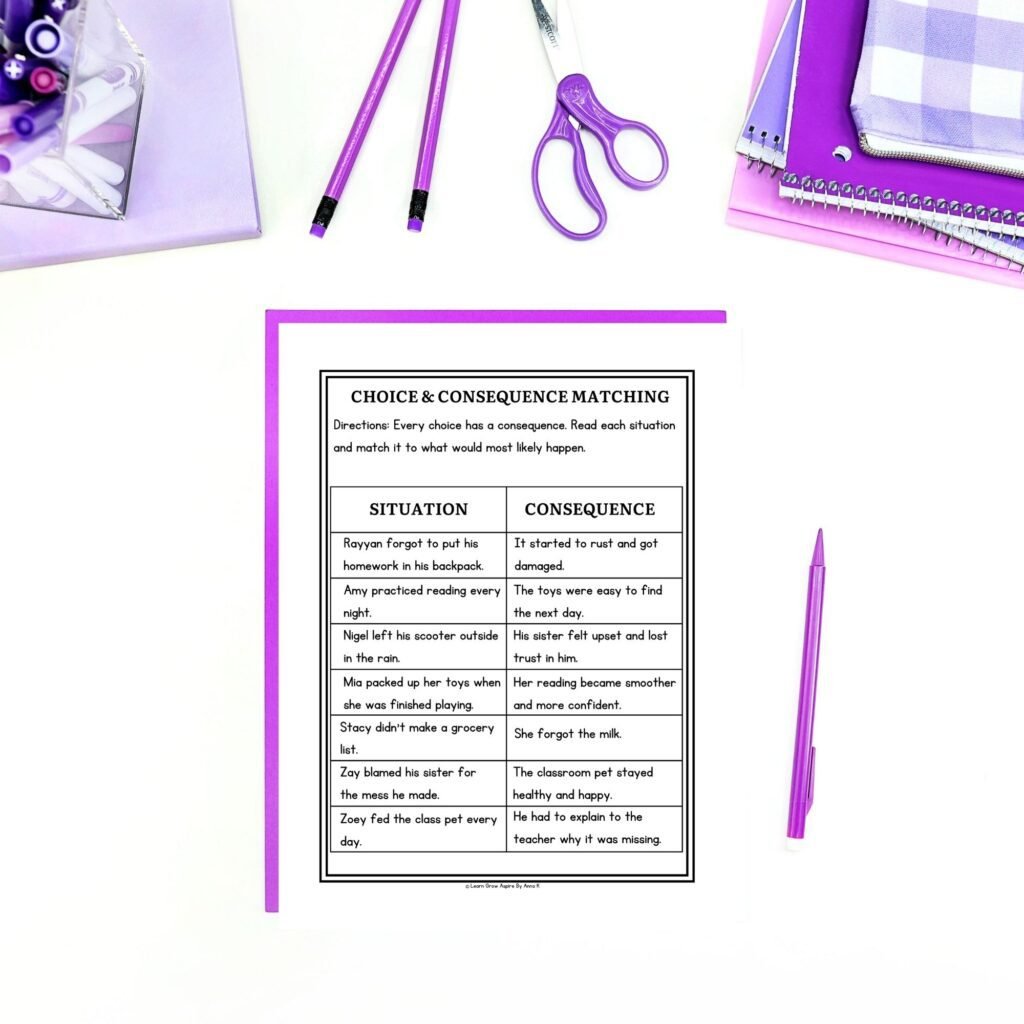
To make teaching accountability easier and more impactful, I created a Responsibility Worksheets Printable PDF designed specifically for kids ages 8 -12.
This resource includes:
-
Reflection writing prompts
-
Choices and consequences matching activities
-
Responsibility vs. excuses worksheets
-
Fix-It Plan templates
-
Creative SEL exercises
It’s perfect for:
-
Classroom SEL lessons
-
Homeschool life skills instruction
-
Counseling sessions
-
Morning meetings
-
Character education programs
Focus: Teaching ownership, independence, and personal growth — not punishment.
SHOP WORKSHEETS & ACTIVITIES ON ETSY
Teaching Accountability Is Teaching Leadership
When we focus on how to teach accountability in a way that actually works, we aren’t just improving behavior.
We are teaching children:
-
Mistakes don’t define them
-
Ownership builds confidence
-
Fixing problems is powerful
-
Their choices truly matter
If you want to give children the tools to take responsibility in a meaningful way, structured worksheets make the process visual, reflective, and actionable.
You can explore the full Responsibility Worksheets for Kids Printable PDF in my Etsy shop.
Related Posts:
You may also be interested in these blog posts:
- Anger management worksheets for kids
- Tone of voice activities for kids
- Free growth mindset coloring pages
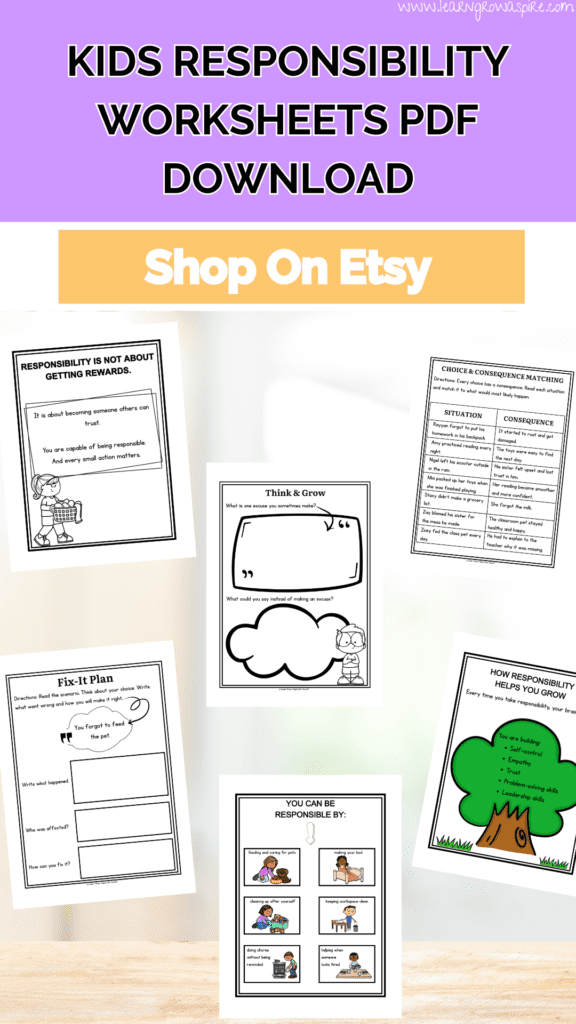
Pin These Responsibility Printable PDF For Kids
Save these accountability activities for kids to your social skills for kids Pinterest board, and while on Pinterest, please consider following me on the platform.
Some of the links in this post may be affiliate links. I’m also an Amazon Affiliate and will occasionally link to some of my favorite Amazon products. I will receive a small percentage back if you purchase through my link. You won’t be charged a penny more if you shop through my links. That said, I do NOT recommend anything I do not use and love! Thank you for helping support my blog!

Leave a Reply