If you’ve ever had a student melt down after hearing “no,” you’re definitely not alone. Learning to handle disappointment is a big skill for young kids, and it doesn’t always come easily. That’s why I created these Accepting No Social Story Worksheets for Kids to help students in grades 2, 3, and 4 build calmer, more flexible responses when things don’t go their way.
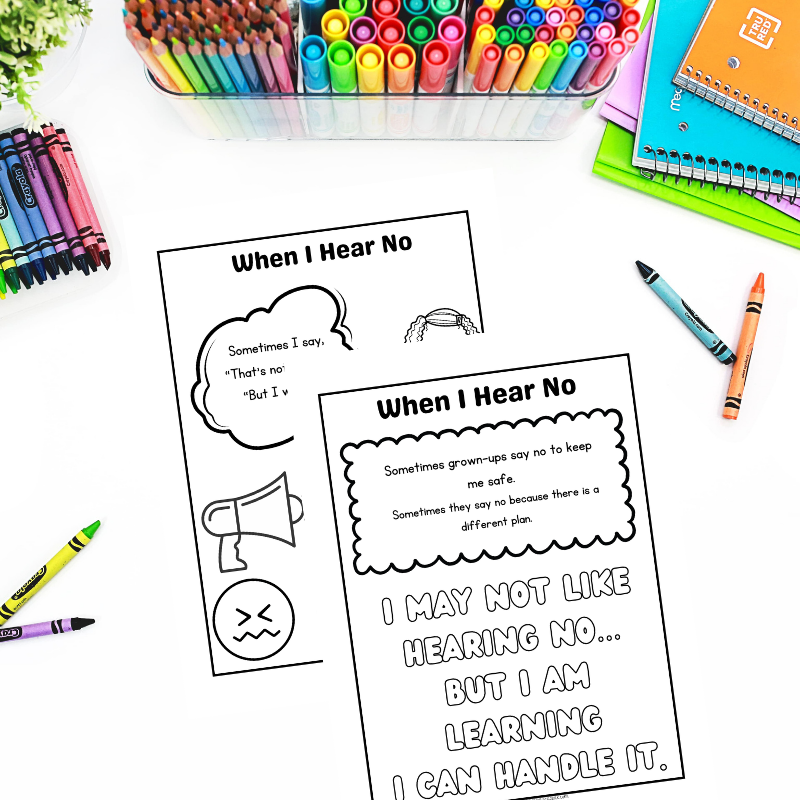
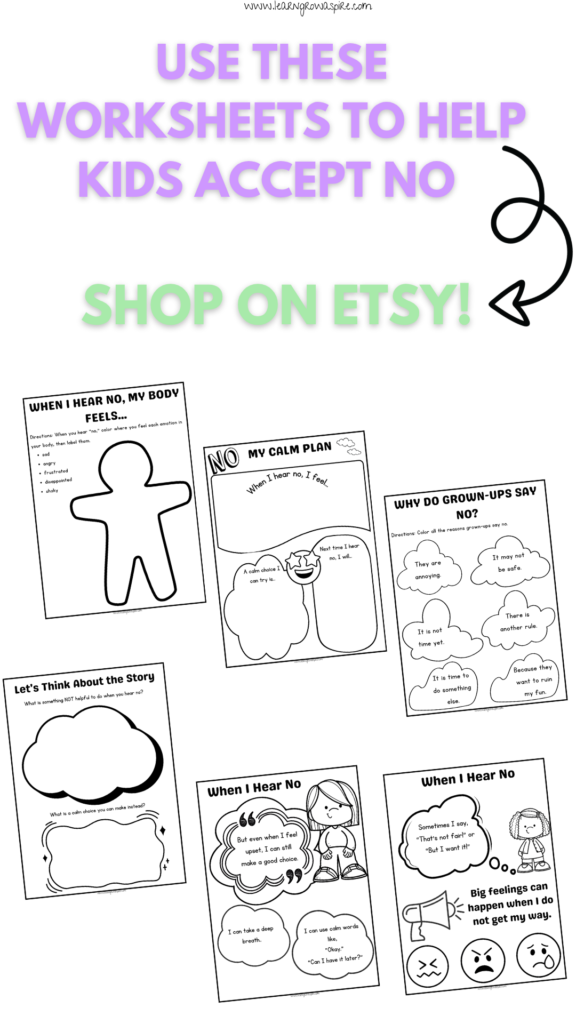
Instead of expecting kids to “know better,” this resource walks them through what it actually looks like to hear “no,” how it might make them feel, and what they can do next without losing control.
Why Accepting No Matters So Much
For many children, hearing “no” can feel overwhelming.
It might lead to frustration, arguing, crying, or shutting down completely. And honestly, that makes sense—emotional regulation is still developing at this age.
But in a classroom setting, kids hear “no” all the time:
- No, you can’t go first
- No, that’s not available right now
- No, we’re not doing that activity today
Without support, those moments can quickly turn into bigger behavior challenges. With support, though, they become opportunities to teach flexibility, patience, and coping skills.
Benefits of Using These Accepting No Worksheets
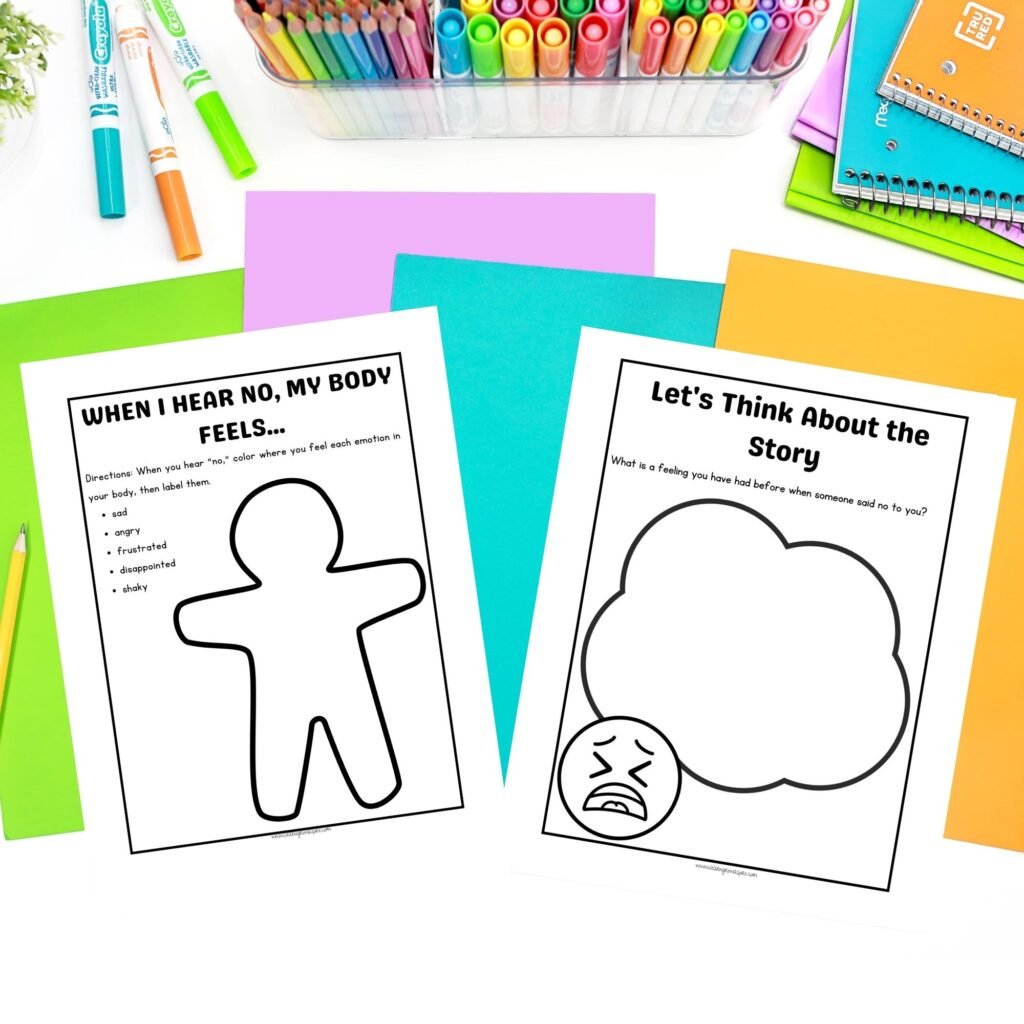
These accepting no social story worksheets for kids break the concept down in a really simple, step-by-step way so students can actually understand it. Not just hear it once and forget it.
Instead of just telling kids what they “should” do, the activities guide them through things like:
- What “no” means in different situations
- How it might make them feel in the moment
- What calm and respectful responses can look like
- Better choices they can try instead of reacting impulsively
It’s very visual, very structured, and easy for kids to follow along without feeling overwhelmed.
Who This Resource Is Really Helpful For?
This isn’t just for one type of student; it tends to support a wide range of learners, especially:
- Students in grades 2–4 (even higher)
- Kids working on emotional regulation
- Students who struggle with frustration or impulsivity
- SEL or behavior intervention groups
- School counsellor or support sessions
It also works well for general classroom SEL lessons when you just want to build those soft skills in a more intentional way.
Easy Ways To Use It In The Classroom
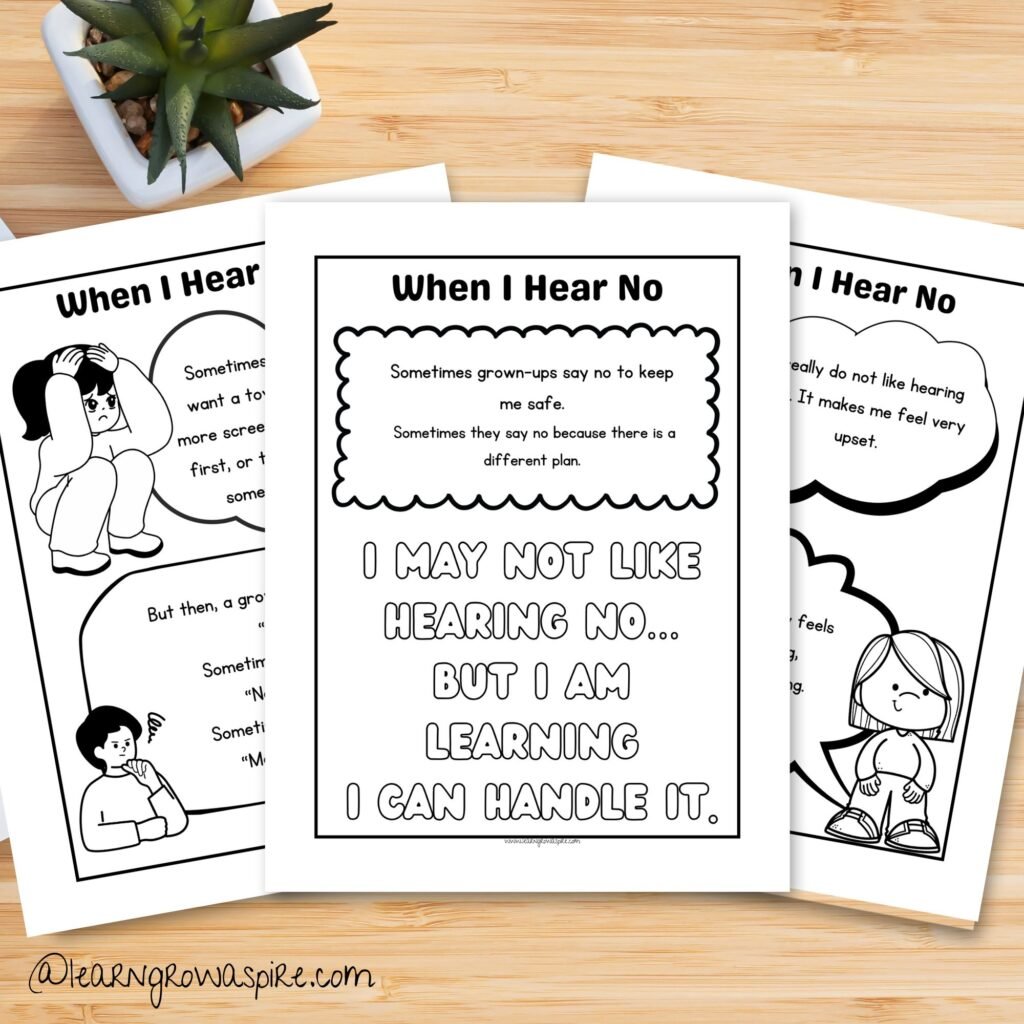
One of the best things about this resource is that you don’t need to overthink how to use it. It fits naturally into your routine.
You can use it during:
- Morning SEL discussions
- Small group behavior support
- One-on-one student check-ins
- Calm-down corner reflection time
- Whole-class mini lessons on emotions
Some teachers even revisit parts of it after real-life situations come up, which makes it feel very practical and relevant for students.
A Simple Way To Build A Lifelong Skill
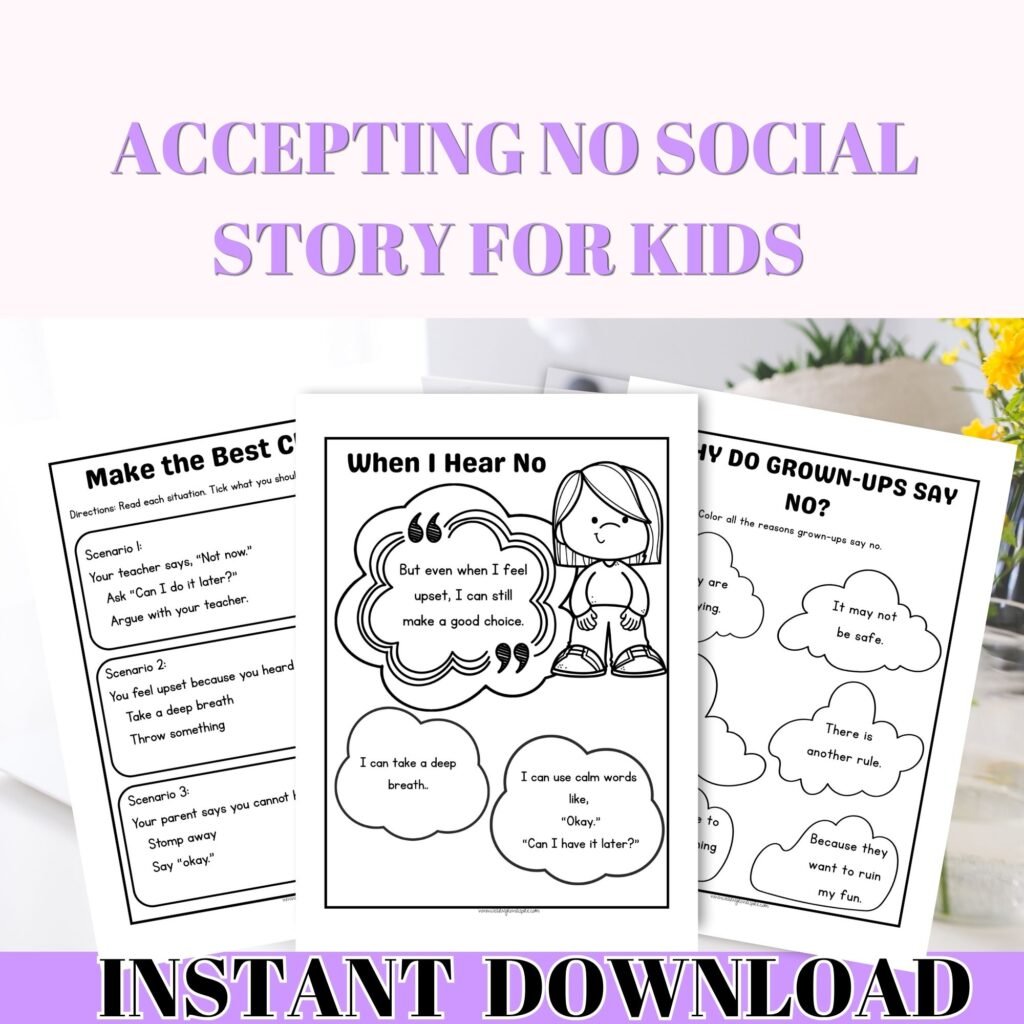
At the end of the day, kids aren’t going to avoid hearing “no”—but they can learn how to handle it better over time. That’s really the goal here.
These worksheets are just one small tool, but they give students a chance to slow down, think, and practice better responses in a safe and supportive way.
And sometimes, that’s exactly what makes the difference between a meltdown and a teachable moment.
Pin These Accepting No Activities For Kids
Make sure to save these Accepting No Activities for Kids worksheets so that you can easily find them when needed. And while on Pinterest, please follow me for more SEL activities for kids.
Some of the links in this post may be affiliate links. I’m also an Amazon Affiliate and will occasionally link to some of my favorite Amazon products. I will receive a small percentage back if you purchase through my link. You won’t be charged a penny more if you shop through my links. That said, I do NOT recommend anything I do not use and love! Thank you for helping support my blog!

