How to Help Teens Build Resilience is more important now than ever. Teens are navigating academic stress, emotional challenges, and social expectations daily. As a result, many feel overwhelmed. However, when we help teens build resilience, we will be giving them the tools they need to manage stress, overcome setbacks, and build confidence so they are better prepared to handle life’s challenges.
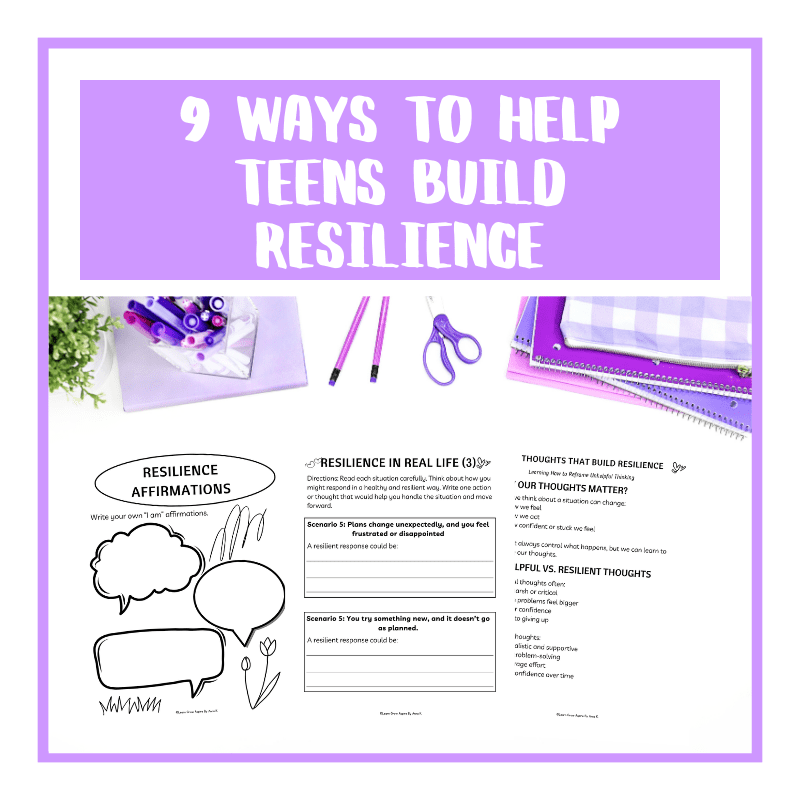
What Is Resilience, Really?
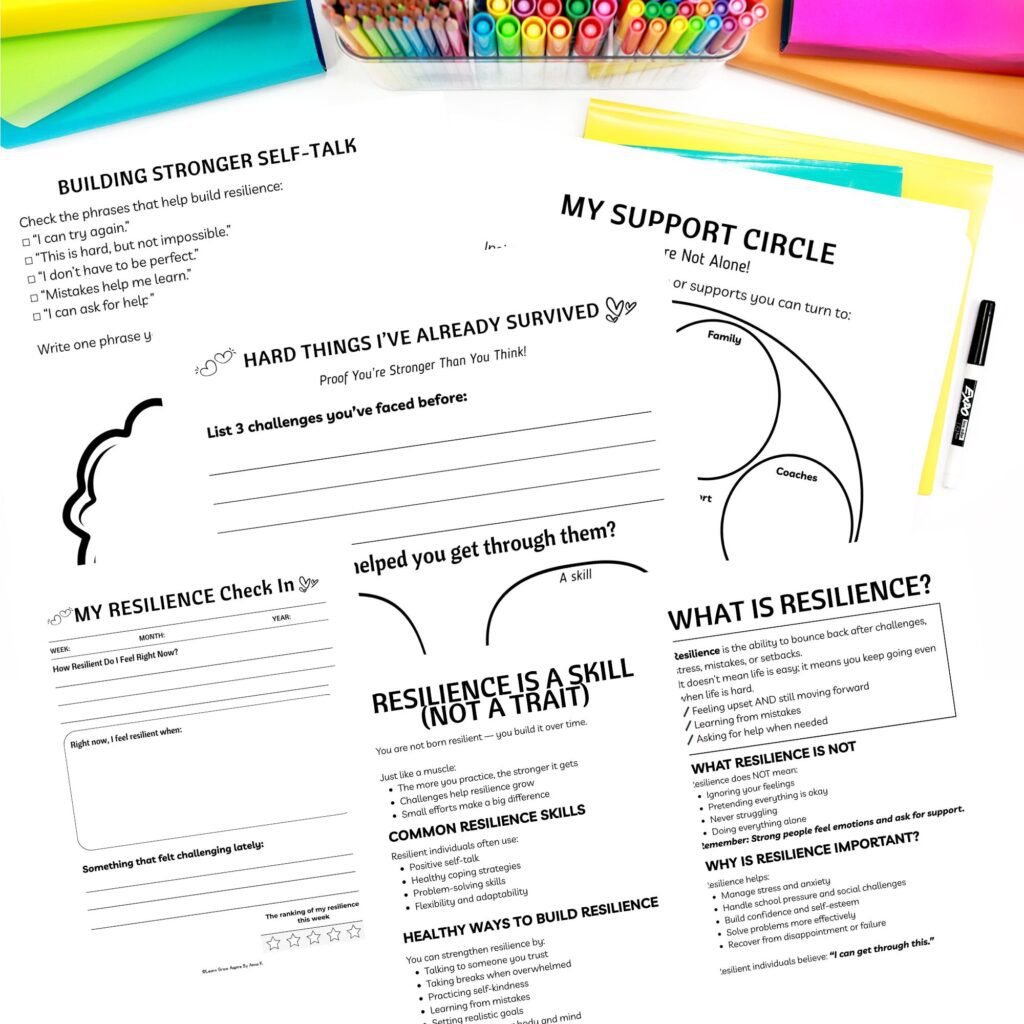
Resilience is the ability to recover from challenges, the ability to adapt, and move forward after disappointment, failure, and/or stress.
Having said that, resilience does not mean ignoring one’s emotions, nor does it mean pretending everything is fine. And it definitely does not mean handling everything alone.
Instead, resilience means:
-
Feeling emotions without being controlled by them
-
Asking for help when needed
-
Learning from mistakes
-
Trying again
In other words, resilience is a skill that can be practiced.
Why Resilience Matters For Teens?
Teen years are full of firsts – first failures, first heartbreaks, and first big responsibilities.
Because of this, we need to equip our teens with the necessary tools, because without them, stress builds and their confidence drops. And challenges start to feel overwhelming.
Resilient teens are more likely to:
-
Manage stress in healthy ways
-
Believe in themselves
-
Handle peer pressure
-
Recover from setbacks
-
Develop emotional strength
But, most importantly, resilience helps teens trust themselves, and that trust lasts a lifetime.
9 Ways To Help Teens Build Resilience
1. Normalize Struggle and Failure
First and foremost, teens need to hear this message clearly:
Struggling does not mean you are weak.
So often, teens believe they are the only ones having a hard time. They compare themselves to others and assume everyone else is doing better. Because of this, they feel isolated.
Instead, as parents, teachers, counselors, and/or caregivers, we can normalize struggle.
Talk openly about mistakes, share age-appropriate personal challenges, and explain that failure is part of learning.
When teens understand that setbacks are normal, shame loses its power, and resilience begins to grow.
2. Teach Teens to Name Their Feelings
Resilience starts with emotional awareness. If teens cannot name what they are feeling, they cannot manage it.
Encourage teens to:
-
Describe how emotions show up in their bodies
-
Understand that feelings come and go
For example, you can remind them that anger might feel like tight fists. Anxiety might feel like a racing heart, and sadness might feel heavy.
When teens learn to label emotions, emotions become less scary. And once emotions feel manageable, resilience strengthens.
3. Help Teens Reframe Unhelpful Thoughts
Thoughts have power, and they shape how teens see themselves—influencing how teens respond to challenges.
Many teens struggle with harsh inner dialogue, such as:
“I can’t do this.”
“Things never work out for me.”
“I’m not good enough.”
While these thoughts feel real, they are not facts.
Teach the teens in your life to pause and reflect. Then question the thought by asking themselves:
-
Is this thought helpful?
-
Would I say this to a friend?
- Is it realistic?
Then, help them reframe their thoughts.
“I can’t do this” becomes “This is hard, but I can try.”
“I always fail” becomes “I’ve struggled before, and I survived.”
This shift is small, yet very powerful.
Over time, positive self-talk like this will build resilience from the inside out.
4. Encourage Healthy Coping Skills
Resilience does not mean pushing through stress without support. It means having tools ready when stress shows up.
Help your teens build a coping skills toolbox.
This might include:
-
Movement or exercise
-
Journaling
-
Listening to music
-
Taking breaks
-
Talking to someone they trust
The key is choice. Not every coping skill works for every teen.
Let them explore and decide what helps them.
When teens feel empowered to manage stress, confidence grows. And with confidence comes resilience.
5. Strengthen Support Systems
Resilient teens know they are not alone. However, many teens hesitate to ask for help as they fear judgment or being a burden.
This is why support systems matter.
Help teens identify trusted people in their life – such as:
-
Family members
-
Friends
-
Teachers
-
Coaches
-
Counselors
Then, talk about how to reach out and remind them that asking for help is a skill and that with practice, this skill will improve.
Remind teens that strong people ask for support. Resilient people connect.
6. Teach Problem-Solving Skills
When teens face challenges, problems can feel huge. Sometimes, they feel impossible.
Resilience grows when teens learn to break problems down.
Encourage them to ask:
-
What is actually in my control?
-
What is one small step I can take?
-
What can I let go of?
Small steps matter.
Even one positive action builds momentum, and momentum builds resilience.
7. Focus on Growth, Not Perfection
Perfectionism is one of resilience’s biggest enemies. Many teens believe they must succeed immediately.
Or not try at all.
Shift the focus.
Talk about growth instead of outcomes.
Praise effort, celebrate progress.
When teens learn that mistakes are part of learning, fear decreases, and resilience thrives.
8. Practice Resilience Regularly
Resilience is built through repetition, not lectures.
This is where structured activities can help.
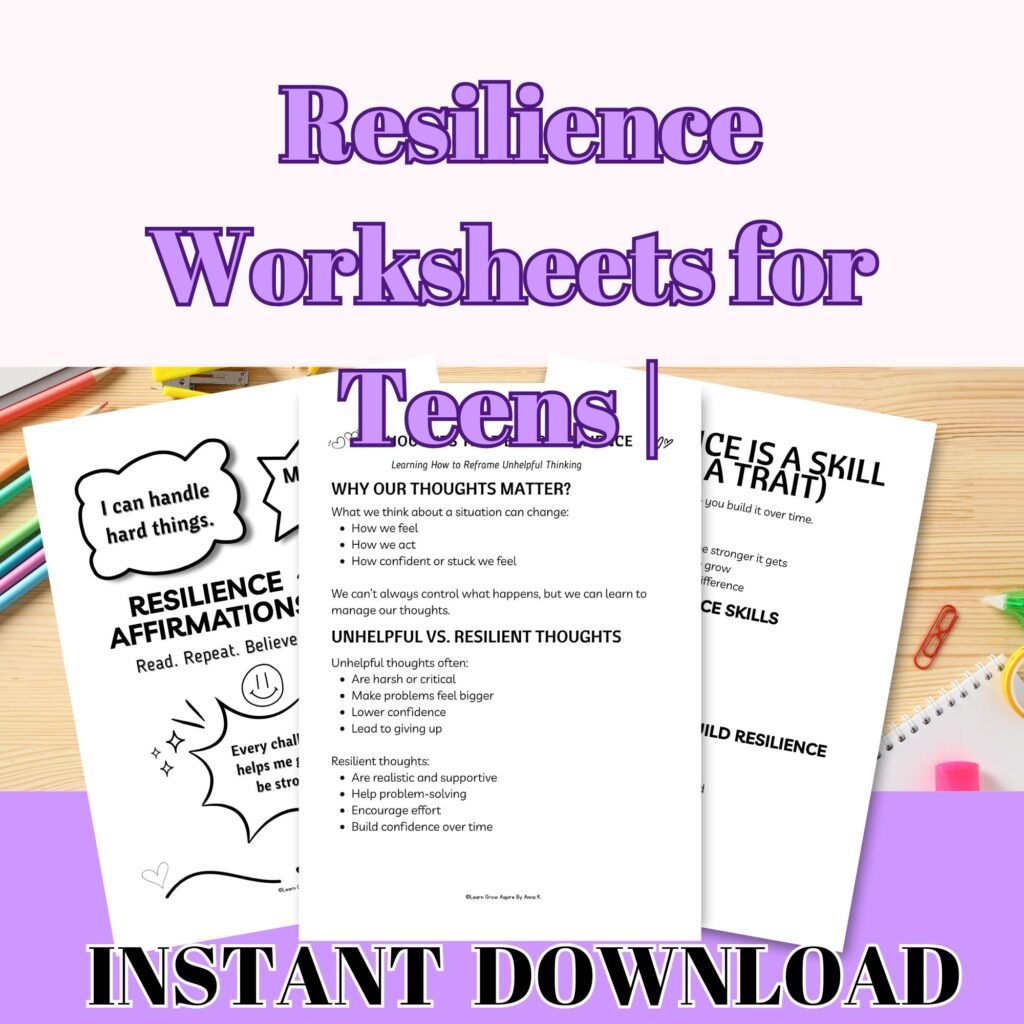
Worksheets, reflection prompts, and real-life scenarios will give teens space to practice:
-
Reframing thoughts
-
Identifying emotions
-
Planning coping strategies
-
Reflecting on growth
These tools are especially helpful for teens who struggle to open up verbally.
That’s why I created a resilience worksheet printable packet designed specifically to help teens practice these skills in a supportive, low-pressure way.
The activities are engaging, reflective, and they are easy to use at home, in classrooms, or in counseling settings.
Rather than telling teens to “be resilient,” the worksheets guide them step by step, and that makes a real difference.
SHOP RESILIENCE WORKSHEETS FOR TEENS ON ETSY!
9. Model Resilience as Adults
Teens learn more from what we do than what we say.
Show them how you:
-
Handle stress
-
Talk kindly to yourself
-
Ask for help
-
Learn from mistakes
When adults model resilience, teens feel permission to do the same.
Resilience Is Built One Step At A Time
Helping teens build resilience does not require perfection, but rather consistency, patience, and compassion.
Resilience grows slowly, but it grows steadily.
When teens believe they can handle hard things, they carry that belief into adulthood.
If you’re looking for a gentle, structured way to support this process, resilience-focused worksheets can be a powerful tool.
They give teens a space to reflect and language for their experiences, reminding them of one important truth – they are stronger than they think.
More Teen Coping Resources
Here are some more coping resources you can consider checking out for the teens in your life:
- People pleasing worksheets for teens
- How to help teens overcome their inner critic
- Depression worksheets for teens
- How to help teens deal with criticism
Pin How To Help Teens Build Resilience
Save these 9 ways on how to help teens build resilience to your teen coping skills Pinterest board. And while on Pinterest, please consider following me on the platform. I will greatly appreciate it!

Some of the links in this post may be affiliate links. I’m also an Amazon Affiliate and will occasionally link to some of my favorite Amazon products. I will receive a small percentage back if you purchase through my link. You won’t be charged a penny more if you shop through my links. That said, I do NOT recommend anything I do not use and love! Thank you for helping support my blog!

