Learning how to help teens deal with criticism is one of the most important skills we as parents and/or teachers can teach.
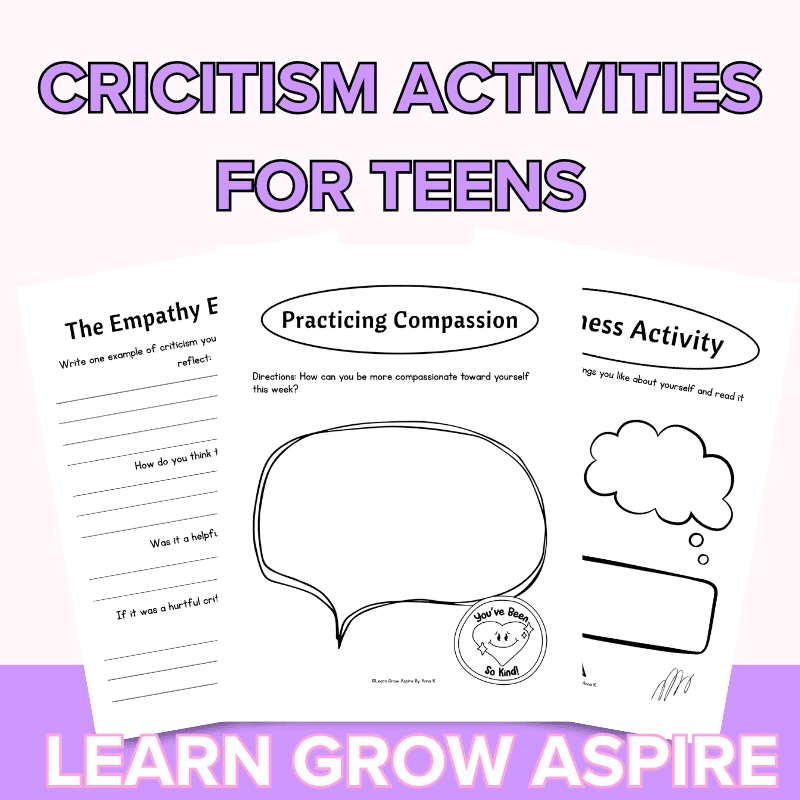
You see, criticism can be tough for anyone to handle, but for teenagers, who are still developing confidence and identity, it can feel especially personal.
The good news is that with the right guidance, support, and communication, your teens can learn to handle criticism in healthy and positive ways.
Why Criticism Feels So Hard For Teens?
First, let’s understand why criticism can sting so much.
During the teen years, emotions are intense.
Teens care deeply about how others see them. They want approval from friends, parents, and teachers. So, when they receive criticism, it can easily feel like rejection.
Additionally, the teenage brain is still developing, especially in areas that control emotional regulation and decision-making.
This means teens might react quickly, defensively, or even angrily when someone points out a flaw or mistake.
That’s normal. However, it’s also an opportunity for growth.
How To Help Teens Deal With Criticism?
Start With Empathy
When helping your teens deal with criticism, start with empathy. Try to see the situation from their point of view.
You might say, “I can tell that comment really hurt you,” or “It’s hard when someone points out something we didn’t do right.”
These words don’t excuse poor behavior, but they show understanding.
When teens feel understood, they’re more likely to open up.
Empathy creates trust. And with trust, they’ll listen more closely when you offer advice on how to handle feedback constructively.
Teach the Difference Between Constructive and Harsh Criticism
Not all criticism is the same. Teaching teens to recognize the difference between constructive feedback and hurtful criticism is key.
Constructive criticism helps them grow.
It focuses on behavior or effort, not personal worth.
For example: “You could try organizing your essay into clearer sections.” That’s helpful.
Harsh criticism, on the other hand, attacks the person.
For example: “You’re terrible at writing.” That’s not helpful—it’s hurtful.
Encourage your teenager to ask themselves, “Is this feedback meant to help me improve, or is it just meant to hurt me?”
This small question helps them separate useful advice from negativity.
Model Healthy Reactions to Feedback
Teens learn by watching us adults.
So, one of the best ways to teach them how to handle criticism is to model it yourself.
When you receive feedback, whether from a coworker, a spouse, or even your teen, show how you take it calmly.
You could say, “That’s good feedback. I’ll think about how I can do better next time.”
When teens see you handle criticism with grace, they realize that feedback isn’t something to fear. It’s something to learn from.
Encourage a Growth Mindset
A growth mindset is the belief that skills and intelligence can improve with effort.
Teaching this mindset helps teens reframe criticism as a chance to learn, not a personal failure.
You can encourage this by praising effort over perfection.
Instead of saying, “You’re so smart,” try saying, “I love how hard you worked on that.”
This shifts their focus from proving themselves to improving themselves.
When teens believe they can grow, criticism becomes a tool – not a weapon.
Help Them Pause Before Reacting
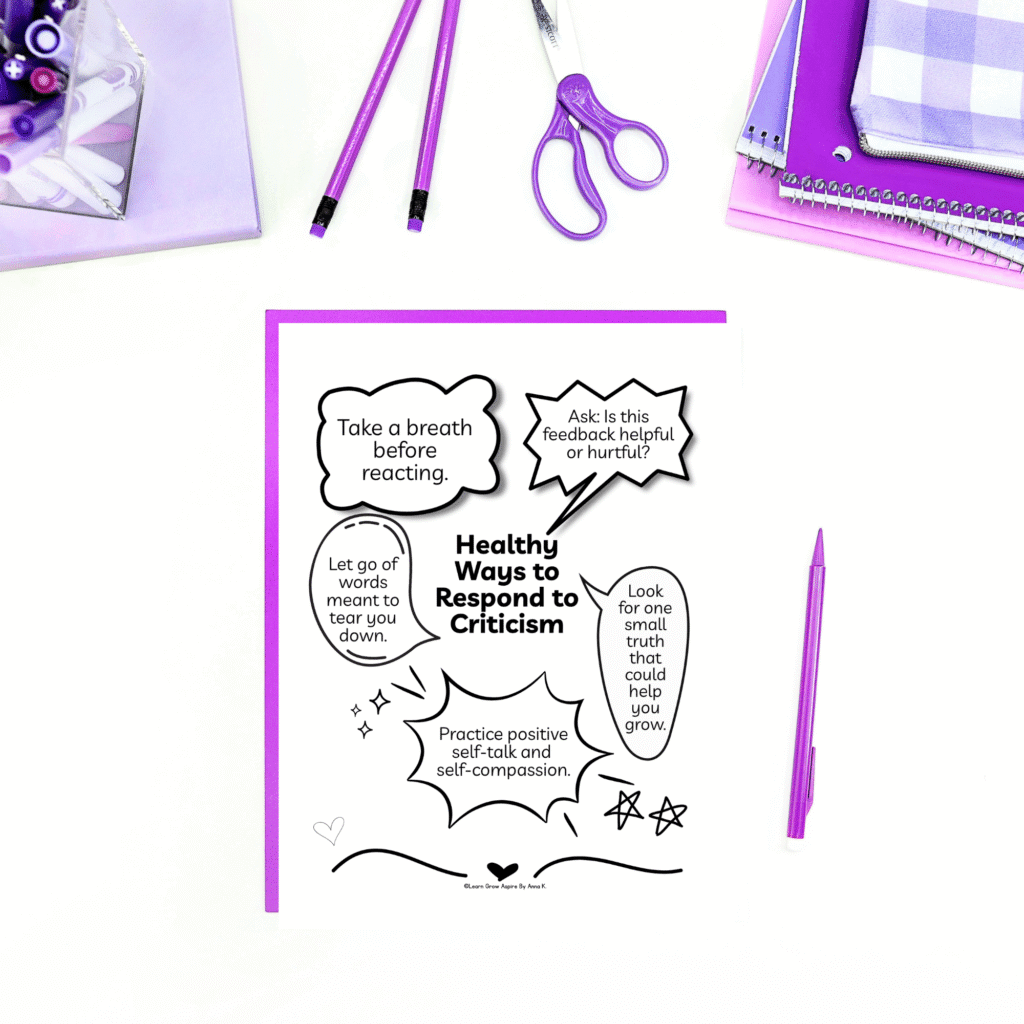
Many teens react to criticism immediately and emotionally. They might roll their eyes, argue, or shut down. To help them, teach the power of the pause.
Encourage your teen to take a deep breath, count to ten, or walk away before responding.
This short pause helps them calm down and think clearly. Afterward, they can respond with maturity rather than defensiveness.
You can even role-play this together.
Pretend to give feedback and practice calm responses. Over time, this becomes a habit.
Teach Healthy Self-Talk
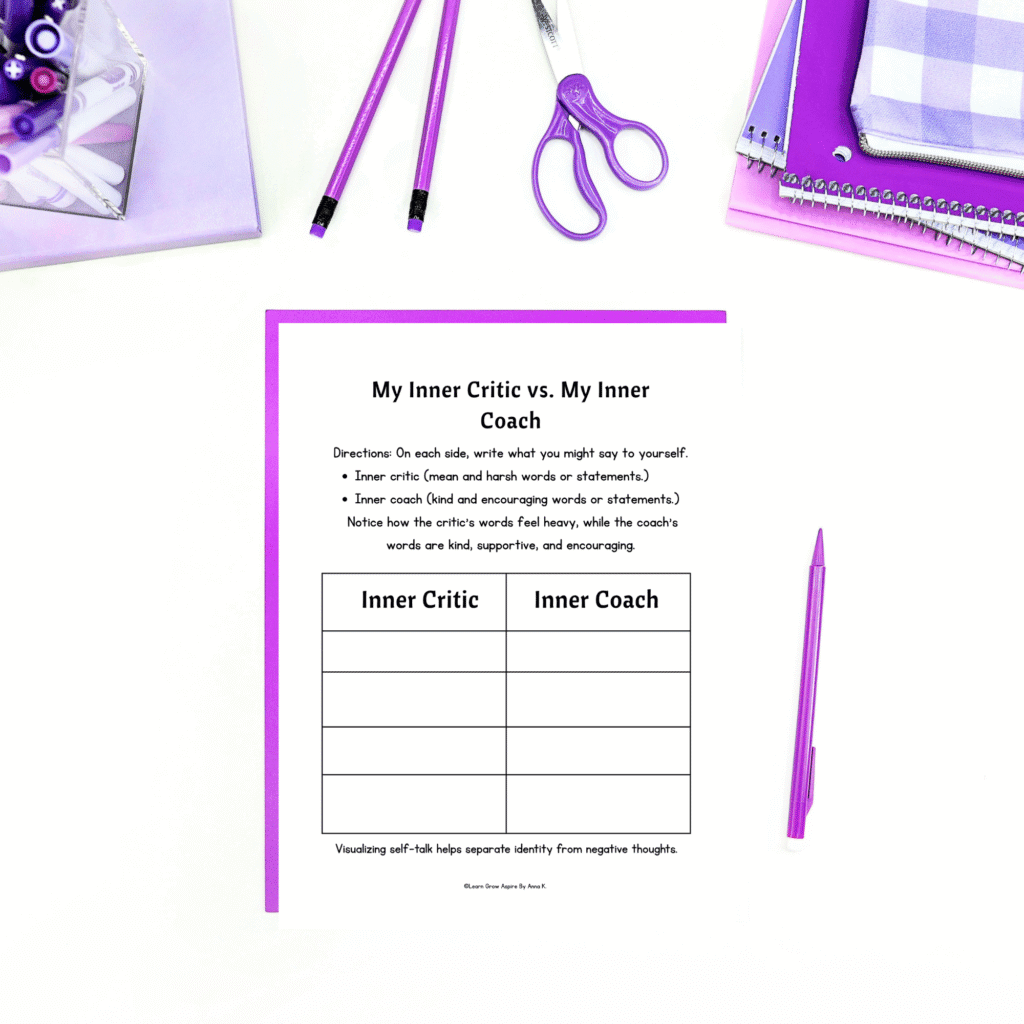
Teens often have a loud inner critic. When they hear criticism, that inner voice might say, “I’m not good enough,” or “I always mess up.” This kind of negative thinking can destroy self-esteem.
To combat that, help your teen develop an inner coach. Their inner coach speaks with kindness and encouragement. It might say, “I made a mistake, but I can fix it,” or “Everyone gets feedback sometimes – it doesn’t mean I’m a failure.”
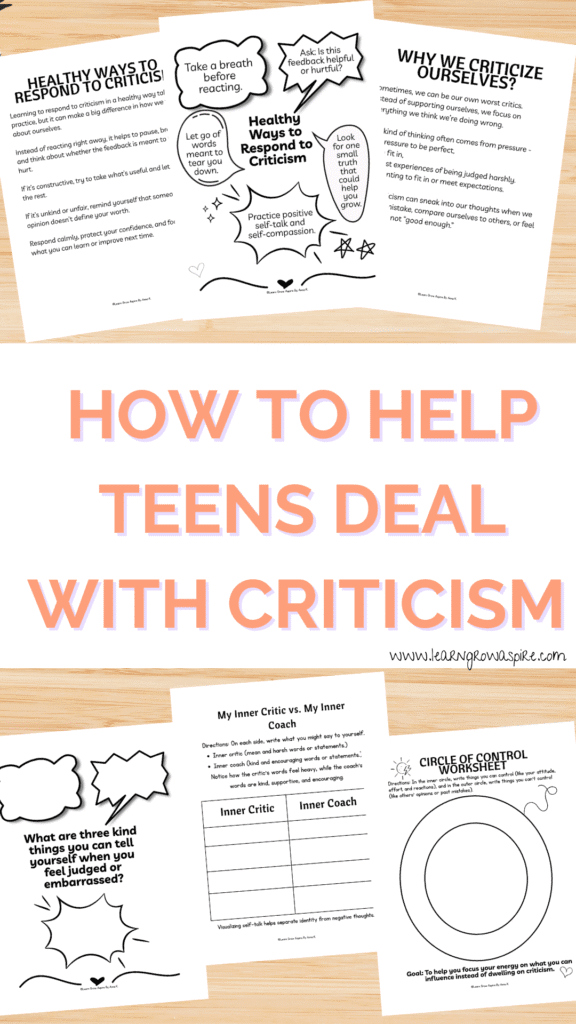
You can make this fun by having them write two columns: one for their inner critic thoughts and one for their inner coach responses. Over time, they’ll start to notice which voice they’re listening to.
Or you can snag my teen’s criticism worksheets over on Etsy.
Focus on What They Can Control
When facing criticism, it’s easy to get stuck on what others think. But the truth is, teens can’t control other people’s opinions, only their reactions.
When teens focus on what they can control, they feel more empowered and less helpless.
Encourage Open Communication
Criticism can make teens withdraw or become defensive. That’s why it’s important to keep the lines of communication open.
Let them know they can talk about how they feel, even if they’re upset.
You might ask, “What part of that feedback bothered you most?” or “What do you think the person meant?” These questions invite reflection, not argument.
When teens talk through criticism instead of bottling it up, they can process it more calmly and learn from it.
Teach Perspective
Sometimes, criticism feels huge in the moment. Help your teen zoom out and see the bigger picture. Ask, “Will this still matter a week from now?” or “What can you learn from this experience?”
Perspective helps teens realize that one piece of feedback doesn’t define them. Everyone makes mistakes. Everyone gets criticized. What matters is what they do next.
Build Confidence Through Strengths
When teens feel confident, they can handle criticism better. So, take time to celebrate their strengths. Remind them of what they’re good at. Encourage hobbies, sports, or creative outlets that help them feel capable and proud.
When they know their worth isn’t defined by one comment or mistake, criticism doesn’t hit as hard. Confidence and self-awareness are the best shields against harsh words.
Teach Emotional Regulation
Criticism can trigger big emotions, such as anger, sadness, and embarrassment.
Teaching emotional regulation helps teens manage these feelings in healthy ways.
Simple strategies like deep breathing, journaling, or going for a walk can make a big difference.
Some teens find that writing down their feelings helps release them. Others might prefer talking to someone they trust.
Remind them feelings are temporary, but how they respond matters.
Encourage Reflection
Once emotions settle, help your teen reflect. Ask, “Was there something useful in that feedback?” or “What could you do differently next time?” Reflection transforms criticism into a learning opportunity.
This helps teens turn negative experiences into positive growth moments.
Be Their Support System
Most of all, be there for them!
Your teens need to know that one bad grade, one harsh comment, or one mistake doesn’t define their worth.
Offer reassurance:
- “I believe in you,”
- “You’re learning,” or
- “Everyone has tough days.”
These words may seem simple, but they have power. They remind teens that criticism is part of life, but it doesn’t have to break them.
How To Help Teens Deal With Criticism?
Knowing how to help teens deal with criticism takes patience and practice.
It’s about teaching emotional strength, empathy, and self-awareness.
When teens learn to handle feedback with confidence and resilience, they carry that skill into adulthood.
Every piece of criticism can become a stepping stone toward growth.
With your support, understanding, and guidance, your teen can learn to listen, reflect, and rise stronger every time.
Criticism Worksheets & Activities For Teens
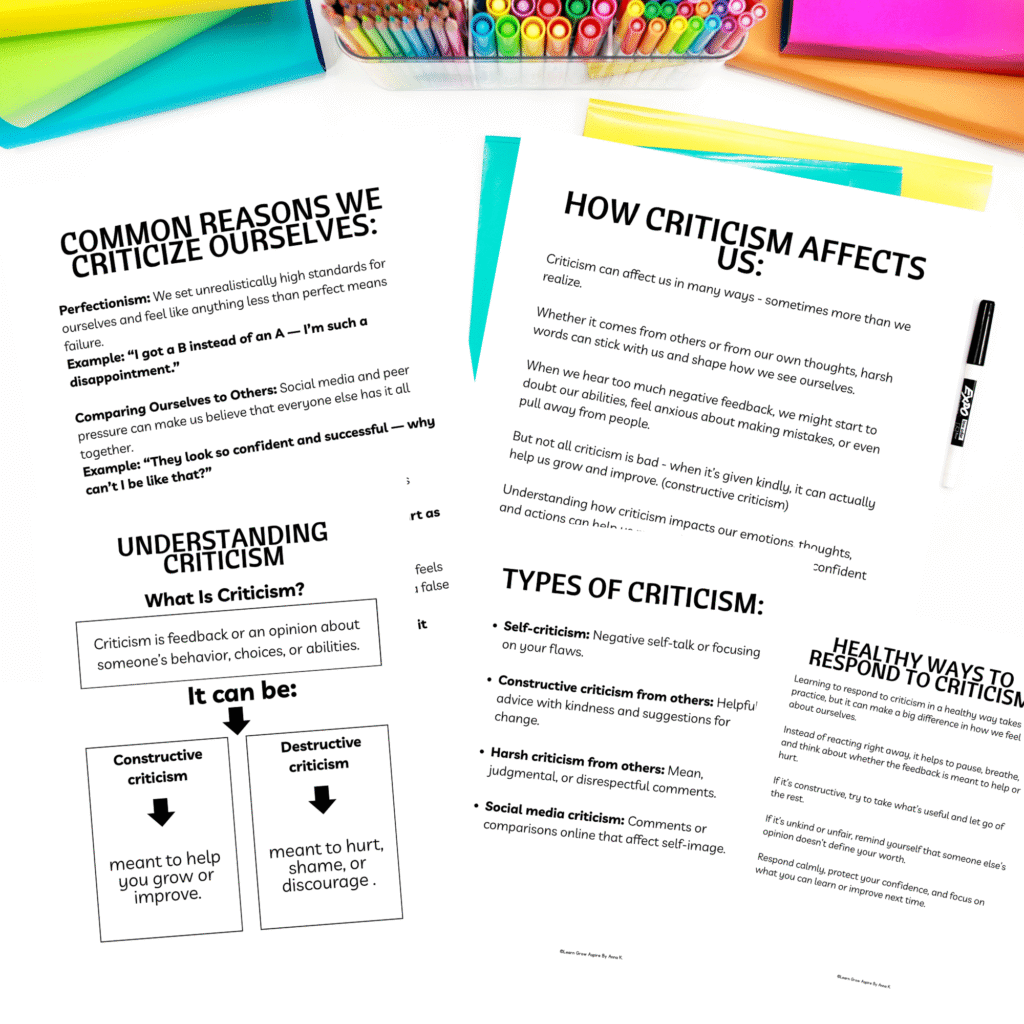
If you’re looking for a practical way to help your teen put these skills into action, check out my Teen Criticism Worksheets.
These printable activities guide teens through understanding feedback, recognizing their inner critic, and building a stronger inner coach.
Each worksheet encourages reflection, emotional awareness, and confidence.
SHOP THESE WORKSHEETS ON ETSY!
More Coping Resources For Teens
Here are some more resources to help your teens build confidence, manage their emotions, and develope their social skills:
- Anger management for teens
- Teen identity and personal values worksheets for self-discovery
- How to help teens overcome guilt and shame
Pin How To Help Your Teen Overcome Criticism
Save these ways on how you can help your teen overcome criticism to your teen’s coping skills Pinterest board. And while on Pinterest, please consider following me on the platform.
Some of the links in this post may be affiliate links. I’m also an Amazon Affiliate and will occasionally link to some of my favorite Amazon products. I will receive a small percentage back if you purchase through my link. You won’t be charged a penny more if you shop through my links. That said, I do NOT recommend anything I do not use and love! Thank you for helping support my blog!

